Unlocking Global Connectivity: The Shift to eSIM Technology
Unlock Global Connectivity With The Ultimate ESIM Data Plan
A traveler arriving in a new city can activate an eSIM data plan instantly by scanning a QR code, bypassing the need for a physical SIM card. This digital profile stores network credentials directly on the device, allowing seamless connection to local carriers without swapping cards. The key advantage is instant connectivity across multiple destinations, as users can manage and switch between plans through their phone’s settings. To use it, simply purchase a plan online, download the eSIM profile, and enable mobile data upon arrival.
Unlocking Global Connectivity: The Shift to eSIM Technology
The shift to eSIM technology unlocks global connectivity by eliminating the need for a physical SIM card when using an eSIM data plan. Travelers can activate an eSIM data plan instantly by scanning a QR code or downloading a profile from a provider, avoiding trips to local shops. This digital approach allows users to switch between carriers without swapping hardware, enabling seamless connection to local networks for cost-effective roaming. Managing multiple plans on one device becomes simple, as users can store several profiles and toggle between them directly in settings. This practicality directly enhances global connectivity by making data access immediate and location-agnostic.
What Exactly Is an Embedded SIM and How It Changes the Game
An embedded SIM (eSIM) is a small chip permanently soldered inside a device, replacing the physical plastic card you insert. Unlike a removable SIM, an eSIM is rewritable, allowing you to download a new carrier profile directly to the chip. For an **eSIM data plan**, this changes the game by eliminating the need to wait for a physical card to arrive or hunt for a local store upon arrival. Users activate a plan by scanning a QR code or via an app, instantly switching between providers without handling a tiny card. This enables seamless multi-carrier use on a single device, making global data access nearly as simple as flipping a switch.
| Feature | Physical SIM | Embedded SIM (eSIM) |
|---|---|---|
| Installation | Insert physical card | Digital download/profile |
| Switching carriers | Replace card manually | Change profile in settings |
| Physical handling | Requires small, loss-prone card | No card to handle or lose |
Comparing Traditional SIM Cards and Digital Profiles
Comparing traditional SIM cards and digital profiles reveals a fundamental shift in mobility. Traditional SIMs are physical chips locked to one carrier, requiring manual swapping to change data plans. Digital profiles, or eSIMs, are reprogrammable software embedded in the device, allowing users to switch between esim data plan providers instantly without hardware removal. The practical sequence involves:
- Scanning a QR code or downloading a carrier’s app to provision a digital profile.
- Selecting the active profile for data use in device settings.
- Storing multiple profiles simultaneously, unlike a single SIM slot.
This results in no risk of losing a tiny card, no need for a SIM ejector tool, and seamless dual-SIM functionality for work and personal lines.
The Core Advantages of Going SIM-Free for Travelers
Ditching physical SIM cards unlocks exceptional flexibility for travelers. The core advantage is instant connectivity: you activate a global eSIM data plan before departure or upon arrival, avoiding airport kiosk hunts. This allows effortless switching between local carriers for the best rates without swapping tiny chips. Seamless multi-network access eliminates coverage guesswork, keeping navigation and communication constant across borders. You retain your home number for vital two-factor authentication while running a separate data line. No more juggling cards from different countries, risking loss of your primary SIM, or hunting for store hours. Everything happens digitally—scan, activate, and roam with zero physical hassle.
| SIM-Free Advantage | Practical Impact While Traveling |
|---|---|
| Instant activation | Get online immediately upon landing |
| Carrier flexibility | Switch to best local data plans on the fly |
| Dual-line retention | Keep home number for security while using data |
| No physical swaps | Avoid dropping or losing tiny SIM cards |
Selecting the Right Digital Plan for Your Travel Style
Selecting the right eSIM data plan hinges on your travel rhythm. For a business traveler hopping between cities, prioritize a regional plan covering multiple countries to avoid constant re-installation. If you are a digital nomad requiring a stable connection for work, a plan with a large data cap and extended validity is less stressful than daily top-ups. Conversely, the leisure tourist exploring a single nation benefits most from a high-value, short-duration local plan. Always verify your specific data allowance for streaming versus messaging, and confirm the plan supports tethering if you need to connect a laptop. Matching the plan’s speed and coverage area directly to your primary activities prevents frustrating connectivity gaps during critical moments.
Short-Term Trips: Pay-As-You-Go vs. Fixed Data Allowances
For short-term trips, choosing between a pay-as-you-go eSIM and a fixed data allowance hinges entirely on your usage habits. If you only need occasional navigation and messaging, pay-as-you-go offers pure flexibility without a prepaid commitment. However, for consistent daily connectivity—streaming, social media, or work—a fixed data allowance for short-term trips provides superior value and peace of mind. You avoid the risk of depleting expensive top-ups mid-voyage. Evaluate your typical daily consumption. Heavy users should select a fixed plan with ample headroom, while light users gain from paying only for megabytes consumed. This targeted decision ensures your digital experience matches your actual itinerary.
Long-Term Nomads: Monthly Subscriptions and Global Rollover Data
For long-term nomads, the ideal eSIM plan hinges on global rollover data subscriptions that prevent wasted gigabytes. A monthly plan with automatic renewal eliminates manual top-ups, while rollover policies reward consistent usage by carrying unused data into the next cycle. Ensure the provider aggregates a single data pool usable across 100+ countries, rather than region-locked buckets. Prioritize plans with unlimited throttled speed after your high-speed allowance depletes, preventing sudden connectivity loss.
- Opt for subscriptions offering 30–90 day data validity windows to avoid expiration penalties.
- Confirm rollover caps (e.g., max 50GB transferred) to match your consumption patterns.
- Choose providers with transparent auto-renewal settings and pause functionality for non-travel months.
Regional vs. Worldwide Coverage: Matching Your Itinerary
Your itinerary dictates whether a regional or worldwide eSIM is your true travel ally. A regional data plan shines for multi-country trips within a single zone, like backpacking across Europe or Southeast Asia, offering cost-effective coverage across borders with one SIM. Conversely, a worldwide plan suits globe-trotters hopping between continents, like flying from Japan to Brazil, ensuring seamless connectivity without juggling multiple plans. Mismatch your coverage and you risk dead zones or overspending on fragmented local eSIMs.
- Assess your route: single-region trips favor budget-friendly regional plans.
- Worldwide plans are ideal for scattered destinations across different continents.
- Check coverage maps: regional plans fail when your itinerary crosses zones.
- Match plan duration to your travel pace—shorter trips may not need global flexibility.
Top Providers Offering Reliable Mobile Data Abroad
For seamless global connectivity, top providers like Airalo and Holafly offer robust eSIM data plans that eliminate physical SIM swaps. Airalo’s regional plans, such as “Discover” for Europe, provide reliable, high-speed data across multiple countries at competitive rates. Holafly’s unlimited data plans ensure consistent performance for heavy travelers. Which provider is best for frequent multi-country trips? Airalo’s pay-as-you-go regional eSIMs are ideal for cost-effective flexibility across borders. Both deliver instant activation via QR codes, avoiding roaming fees without sacrificing speed. For urgent needs, Ubigi’s short-term plans offer fast LTE in major hubs. Trust these providers for dependable data abroad, not hypothetical market data.
Major Players: Airalo, Holafly, and GigSky Comparisons
Comparing Airalo, Holafly, and GigSky for an eSIM data plan reveals distinct strengths. Airalo dominates with budget-friendly, regional packages ideal for short trips but often lacks unlimited data. Holafly focuses on unlimited data plans for single countries, making it perfect for heavy streamers, though its pricing is higher. GigSky offers robust global coverage and reliable enterprise-grade stability, yet its data bundles are typically more expensive per GB. For users, the choice hinges: Airalo for cost, Holafly for unlimited use, and GigSky for consistent connectivity across many regions.
| Provider | Best For | Data Model | Pricing Tier |
|---|---|---|---|
| Airalo | Budget travel | Fixed GB regional plans | Low |
| Holafly | Heavy data users | Unlimited daily plans | Medium-High |
| GigSky | Global consistency | Pay-per-GB bundles | High |
Specialized Carriers for Specific Destinations
For travelers heading to a single country or a specific region, specialized carriers for specific destinations often provide superior value compared to global eSIM providers. These local or regional networks, such as Yesim’s country-specific plans or Ubigi for Japan, are directly integrated with domestic operators, ensuring optimized local coverage, faster data speeds, and lower latency. Their tailored pricing avoids the overhead of global roaming agreements, making them more cost-effective for extended stays. Q: Do specialized destination carriers support multi-device tethering? Yes, most allow tethering, but always check the specific plan’s fair usage policy to confirm hotspot limits beforehand.
User Experience and Customer Support Across Services
User experience across top eSIM providers hinges on seamless activation and intuitive app design. Many offer instant customer support via in-app chat, solving issues like connectivity drops or installation hurdles within minutes. For a smooth start, follow a clear sequence:
- Download the provider’s app and scan the QR code for activation.
- Test your connection immediately after installation.
- Reach out to support if the service doesn’t auto-connect.
Chat responses often feel robotic, but premium providers maintain real human agents for nuanced problems like dual-SIM conflicts. Refund policies vary, so verify flexibility before purchasing.
How to Activate and Manage Your Digital Service
To activate an eSIM data plan, first ensure your device is unlocked and connected to Wi-Fi. Begin by scanning the QR code provided by your carrier via email or app, or manually enter the activation code—this installs the digital profile instantly. Once active, manage your service through the carrier’s app or device settings: toggle the line on/off, monitor data usage in real-time, and top up with a tap. For travel, switch profiles without needing a physical SIM.
You can delete an eSIM profile anytime if you switch devices or plans—just remember to download a backup QR code first.
Keep your main line active for calls while using the eSIM solely for data, adjusting APN settings only if connectivity lags.
Step-by-Step Installation from QR Code to Activation
To install your eSIM data plan, first access your device’s settings and select “Add Cellular Plan.” Scan the QR code provided by your carrier. Once scanned, eSIM activation is instantly applied after confirming the plan label, such as “Data” or “Travel.” The profile downloads automatically; ensure Wi-Fi is active during this step. After installation, toggle the new eSIM on for data usage; your physical SIM may remain active for calls. Do I need to restart my phone after scanning the QR code? Typically no—the eSIM activates immediately, though a quick reboot can resolve minor connectivity issues if data fails to appear.
Switching Between Multiple Profiles on a Single Device
Switching between multiple profiles on a single device requires navigating the device’s mobile network settings to select the active eSIM data plan without physically swapping cards. Each profile is stored digitally, allowing you to designate one for data while others remain inactive, ensuring seamless transitions for travel or work. This process typically involves toggling a profile’s “Enable” switch or assigning it as the default data line. Dynamic profile prioritization lets you instantly change the active plan while retaining others for backup. Q: Can I keep two eSIM profiles active simultaneously for calls? Yes, many modern devices support dual SIM dual standby, but only one profile provides data at a time; the other remains on standby for voice or SMS.
Troubleshooting Common Connectivity Hiccups
If your eSIM data plan feels sluggish, start with a quick airplane mode toggle to force a fresh network handshake. Check that data roaming is enabled in your phone settings, as eSIMs often rely on it. For persistent hiccups, manually select your provider’s network under Mobile Network settings instead of using “automatic.” A device reboot can clear stuck SIM profiles, and verify your plan hasn’t run out of data. Finally, ensure your phone’s eSIM is active—disable any conflicting physical SIMs.
Most eSIM connectivity hiccups are fixed by toggling airplane mode, enabling roaming, or manually picking the network.
Understanding Data Speeds, Throttling, and Network Tiers
An eSIM data plan’s performance hinges on its network tier. Premium plans connect to the fastest 5G bands, while budget tiers may throttle speeds to 3G/4G levels after a cap, degrading streaming and video calls. Question: Why does my eSIM feel slow despite full signal? Answer: You’ve likely hit a hidden speed cap, not a coverage issue. Throttling, often triggered after high data usage, cripples download rates to dial-up levels for the billing cycle. Review your plan’s “typical speed” and “deprioritization” fine print—these dictate whether you get consistent bandwidth or drop to a congested network tier during peak hours. Always choose an eSIM provider specifying unmetered speeds for your targeted usage to avoid sudden slowdowns.
4G LTE vs. 5G Availability in Different Regions
When evaluating 4G LTE vs. 5G Availability in Different Regions for an eSIM data plan, remember that 5G is not globally uniform. In North America, East Asia, and parts of Western Europe, 5G coverage is dense in cities but often vanishes on highways or in rural zones. Conversely, 4G LTE remains the reliable backbone across Africa, South America, and much of Central Asia, offering steady speeds where 5G towers are absent. Your eSIM plan’s performance hinges on this regional truth: always check the provider’s specific network map for your destination. A plan optimizing 5G in Seoul might fall back to slow 4G in a remote area, while a plan prioritizing robust LTE ensures consistent connectivity.
Fair Use Policies and When Speeds Get Reduced
Fair Use Policies in eSIM data plans typically mean your speed stays high until you hit a specific data cap, often after just a few GB in “unlimited” plans. When that threshold is crossed, speeds get reduced (throttled) to a slower rate, like 128kbps, which barely handles messaging and maps. This is different from “truly unlimited” or fixed-speed tiers, so always check your plan’s fine print for the exact limit and reduced speed. Throttling triggers after fair use limits are hit, and it usually resets each billing cycle.
- Your connection remains fast until you exceed a defined data threshold.
- Reduced speeds (e.g., 1Mbps or 128kbps) activate once the policy limit is reached.
- Throttling is per cycle, not a permanent cap, so speeds return next month.
- Video streaming and large downloads become unusable under reduced speeds.
Choosing High-Priority Networks for Uninterrupted Streaming
For uninterrupted streaming on an eSIM data plan, selecting a network that offers high-priority data is critical. Standard plans may deprioritize your traffic during congestion, causing buffering or reduced resolution. High-priority networks maintain consistent throughput even in crowded areas, ensuring smooth 1080p or 4K streams. When choosing a plan, verify the network tier by checking if it explicitly advertises “premium data” or “unthrottled streaming.” To avoid disruptions, follow this sequence:
- Identify eSIM providers that partner with major carriers guaranteeing priority access.
- Compare plan details for a specific “video streaming quality” or “no deprioritization” clause.
- Test the connection speed during peak hours or choose a plan with a dedicated streaming add-on.
Device Compatibility and What to Check Before You Buy
Before buying an eSIM data plan, the first thing to check is if your phone is device compatible with eSIM technology. Most newer models from Apple, Google, and Samsung support it, but older ones often don’t. Go to your phone’s settings—look for “Add Cellular Plan” or “Mobile Network” to see if eSIM is listed. Also confirm your device is unlocked and not carrier-locked, as a locked phone may block a third-party eSIM. Finally, verify that your specific model (e.g., iPhone XS or later, but not Chinese variants) matches the eSIM provider’s compatibility list. Skipping these steps could mean buying a plan that won’t activate.
Smartphones, Tablets, and Laptops That Support eSIMs
Before purchasing an eSIM data plan, verify that your specific device model supports eSIM. For smartphones, Apple iPhones from the XS/XR onward, Google Pixels starting with the 3, and most Samsung Galaxy S20 and newer models are eSIM-compatible. Tablets such as the iPad Pro, iPad Air (3rd gen+), and iPad (7th gen+) include eSIM support, as do select Microsoft Surface Pro X and later models. Laptops like the Lenovo ThinkPad X1 Carbon and HP Elite Dragonfly also accept eSIM profiles. Always check the manufacturer’s official specifications, as carrier-locked devices may restrict activation. The absolute eSIM device compatibility list for your model is critical to avoid purchase errors.
Carrier Lock Restrictions and Unlocked Devices
Before purchasing an eSIM data plan, verify your device is carrier-unlocked. A locked phone restricts eSIM activation to its original carrier, blocking foreign or alternative providers. Without an unlocked device, your eSIM profile may fail to install or connect to local networks. Confirm this in Settings under “Carrier Lock” or “SIM Restrictions.” An unlocked device grants freedom to switch eSIM data plans instantly across global operators, bypassing contract limitations. Always check this first—a carrier lock renders eSIM flexibility useless.
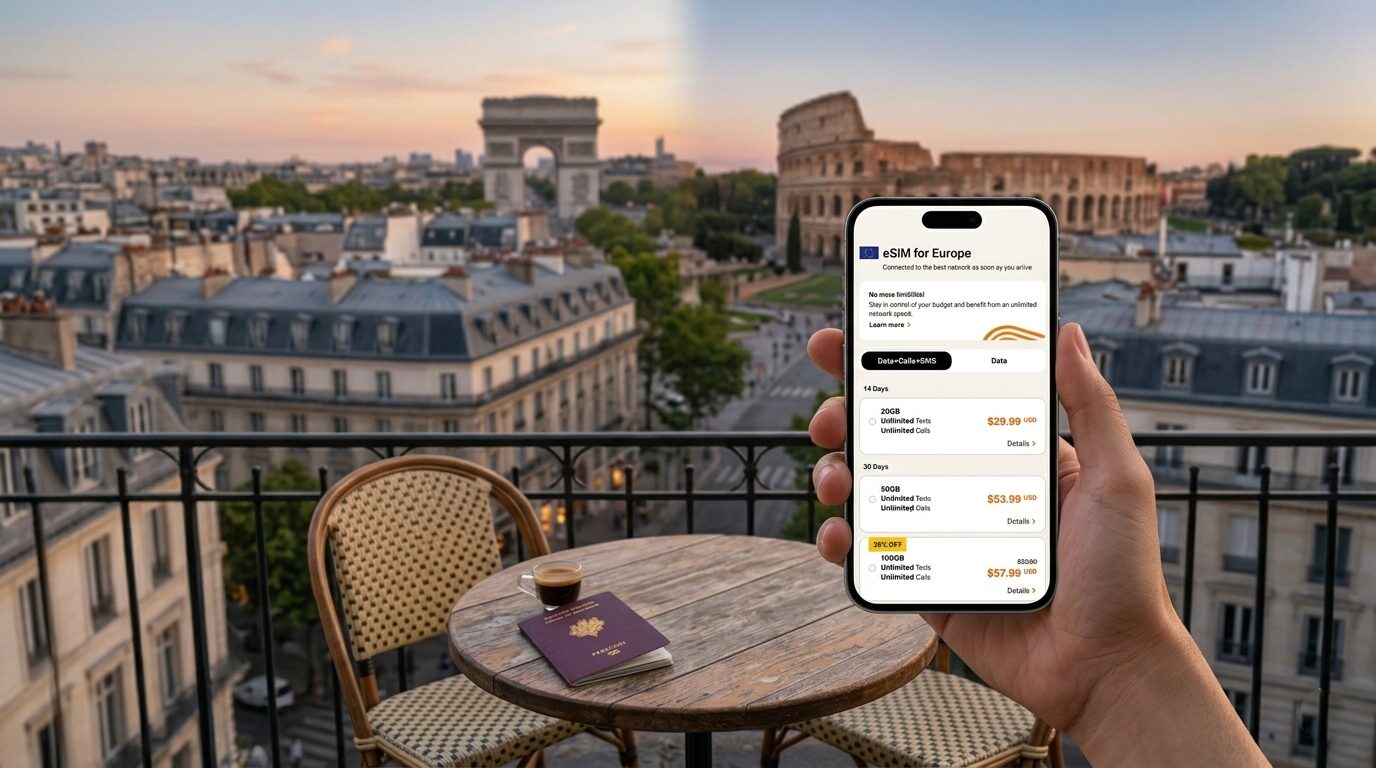
Dual SIM Operation: Keeping Your Home Number Active
For travelers using an eSIM data plan, dual SIM operation is critical to keep your home number active. By inserting your physical home SIM alongside the eSIM data profile, you can receive SMS and calls on your home number while the eSIM handles mobile data. Ensure your phone supports DSDS (Dual SIM Dual Standby), so both SIMs remain live simultaneously. Without DSDS, your home SIM may deactivate when the eSIM uses data, breaking call forwarding.
Q: Will my home number work for calls while an eSIM data plan is active?
Yes, if your device supports dual SIM dual standby, you can configure your home SIM for calls and SMS, and your eSIM solely for data, keeping your number reachable.
Cost Efficiency: Comparing Digital Plans to Roaming Fees
When comparing cost efficiency, an eSIM data plan almost always undercuts traditional roaming fees. Roaming charges often apply daily flat rates or per-megabyte costs that can quickly exceed $10–$20 per day. In UK eSIM contrast, a regional eSIM data plan might cost $15–$30 for a full week of high-speed data. For a user asking “Is buying a local eSIM always cheaper than using my carrier’s roaming add-on?” The answer is typically yes for trips over two days; roaming daily fees usually surpass a dedicated eSIM plan’s total cost within 48 hours, making eSIM the more budget-friendly choice for any multi-day stay abroad.
Hidden Charges in Traditional International Roaming
When you rely on traditional international roaming, the advertised daily rate rarely tells the full story. You might see a flat fee, but it often masks hidden overage fees for hitting a low data cap. A short video call or using maps for navigation can trigger these surcharges, with carriers charging per megabyte at exorbitant rates. Plus, receiving voicemails or texts often incurs unexpected costs. With an eSIM data plan, you buy a set amount upfront with no fine-print surprises, so you won’t get a shocking bill due to these sneaky roaming charges.
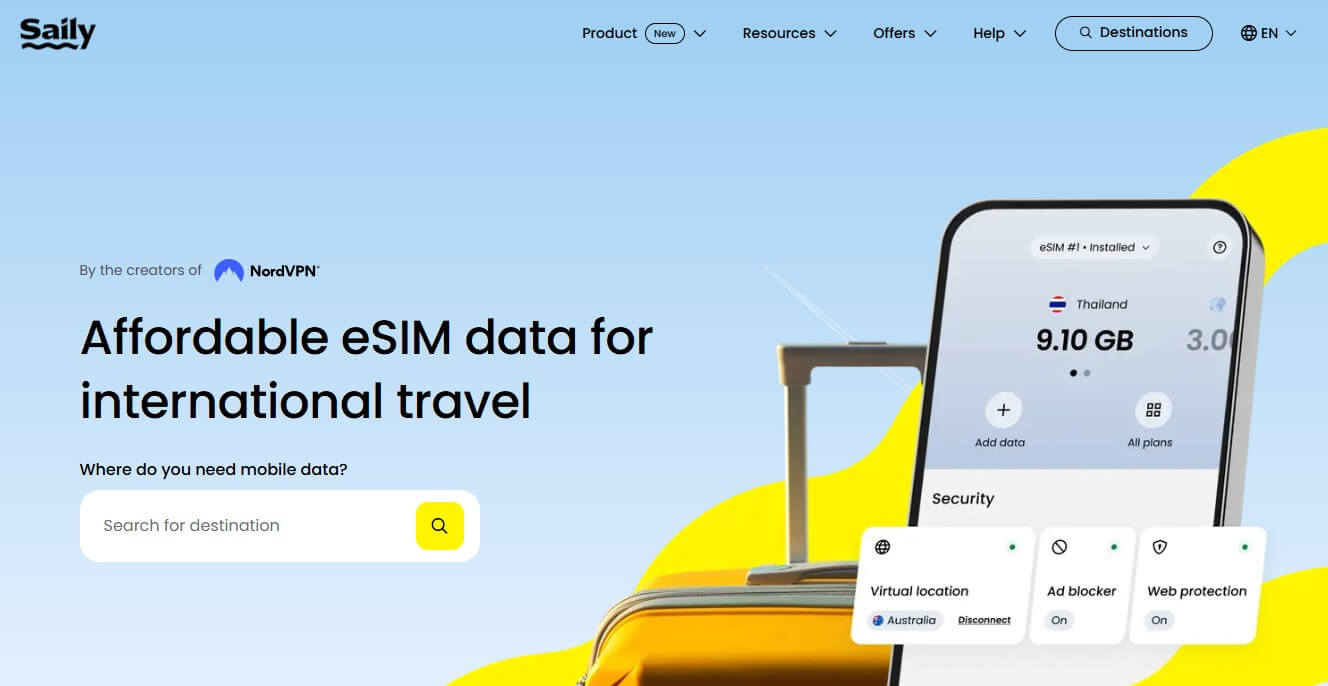
Bundled Deals and Promo Codes for Frequent Flyers
Frequent flyers achieve cost efficiency by leveraging bundled travel data packages that combine multiple trip allowances into a single discounted eSIM plan, eliminating per-trip roaming fees. Promo codes for seasonal offers or loyalty program affiliations further reduce per-gigabyte costs, especially for annual subscribers. These deals often include rollover data for unused balances, maximizing value across staggered itineraries. This logic ensures every leg of continuous travel remains budgeted without surprise charges.
- Multi-region bundles cover consecutive destinations in one purchase.
- Promo codes from airline partnerships unlock exclusive discount tiers.
- Renewal incentives provide additional data bonuses for repeat flyers.
Calculating Per-Gigabyte Savings Across Providers
To really see the value, calculate the per-gigabyte savings across providers by dividing each plan’s total cost by its data cap. For example, a $20 plan with 10 GB costs $2.00/GB, while a $15 roaming pass with 1 GB costs $15.00/GB—the eSIM plan saves you $13.00 per gigabyte. Always factor in additional fees like activation or top-up minimums, as they can skew your per-GB math. Q: How do I compare per-GB savings if providers offer different data bundles? A: Convert everything to the same unit—cost per GB—by dividing the price by the total gigabytes in each bundle. Then pick the lowest number.

Security and Privacy When Using Virtual Lines
Using an eSIM data plan with virtual lines introduces specific security considerations, as your primary mobile identity is now software-based and more exposed to remote attacks. The most critical step is only activating virtual lines from your device’s official eSIM management interface, as malicious apps or QR codes can clone your profile. Because the eSIM stores your credentials in a secure element, physical SIM swapping is rendered impossible, which directly reduces theft of service risks. However, if your device is compromised by malware, a virtual line’s authentication data can be extracted, so always pair it with a strong device lock. Using a separate, low-value virtual line for high-risk logins can isolate a potential data breach from your primary number. Privacy is also enhanced since a virtual line decouples your IMSI from networks, but only if you disable location-based services for that line specifically within your eSIM profile settings.
Encryption Standards and Data Protection Measures
eSIM data plans rely on end-to-end encryption standards to secure provisioning and data transmission. The eSIM profile uses mutual authentication between the device and the carrier’s SM-DP+ server, preventing unauthorized cloning. For active data sessions, standards like AES-256 protect payloads, while TLS 1.3 secures the control channel. Key data protection measures include:
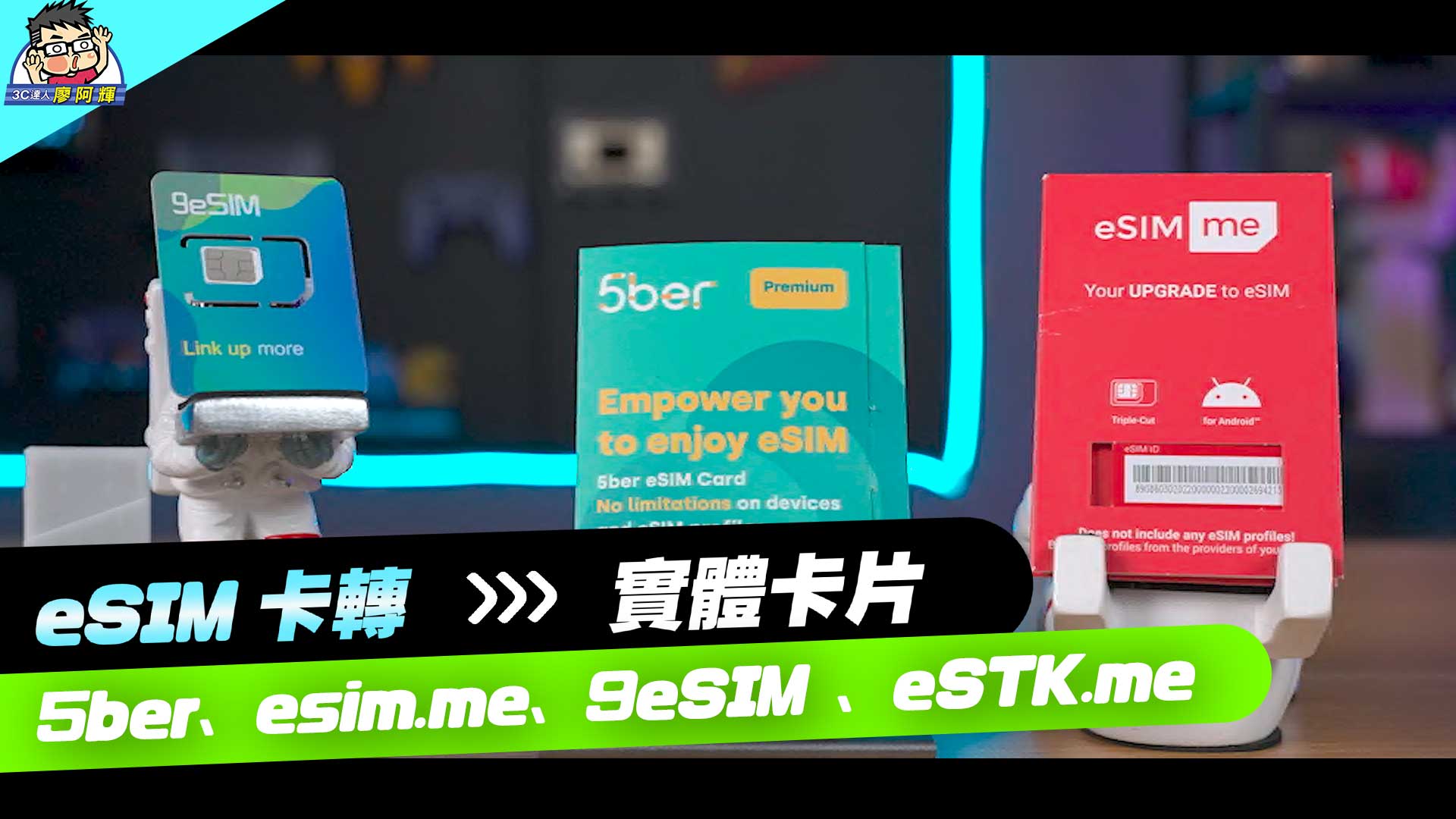
- Embedded private keys generated within the eSIM’s tamper-resistant hardware.
- Over-the-air profile downloads encrypted with asymmetric cryptography.
- Local data encryption for stored credentials, using hardware-backed key stores.
These measures ensure that subscriber identity and session data remain inaccessible to third parties during activation and usage.
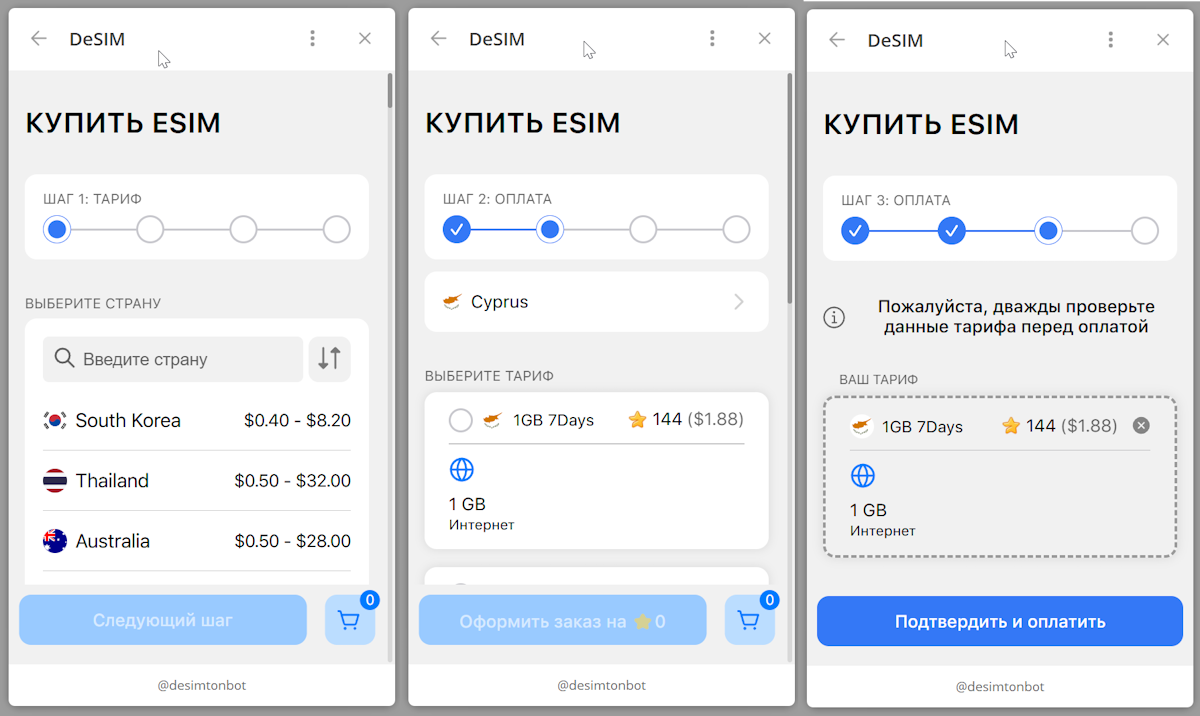
Avoiding Overcharging and Unauthorized Top-Ups
To avoid overcharging with an eSIM data plan, always disable automatic top-ups in your account settings, as these mechanisms can trigger replenishment for minor data dips. Use a fixed data cap and monitor consumption via your device’s data tracker to prevent exceeding your purchased allowance. Unauthorized top-ups often stem from saved payment credentials on third-party management apps; remove card details after initial purchase. For virtual line usage, segment your eSIM profile to restrict billing access only to the primary plan. Implement a spending limit via your provider’s dashboard to block any transaction above your defined threshold.
Q: How can I prevent unathorized top-ups on an eSIM data plan for a virtual line?
A: Revoke auto-refill authorization, set a hard spending cap per session, and never store payment data on shared or temporary virtual line accounts.
Ejecting Profiles Remotely to Protect Your Identity
When using virtual lines, remote profile ejection is your first line of defense against identity theft. If a device is lost or stolen, instantly wipe the eSIM data plan from your account using the carrier’s app or web portal—no physical SIM removal needed. This severs all network access and prevents criminals from exploiting your stored credentials. A single tap can delete the profile before anyone even attempts to clone your identity. The sequence is straightforward:
- Log into your eSIM management dashboard.
- Select the active profile tied to the missing device.
- Confirm the remote deletion to immediately deactivate connectivity.
This action locks your digital footprint away, ensuring no one can reroute calls or harvest personal data from that line.