The Shifting Landscape of Digital Wagering
Your Guide to Safe and Fun Online Gambling
Online gambling lets you play real casino games, poker, or place sports bets right from your phone or computer. You simply create an account, deposit money, and choose from hundreds of games available instantly. The biggest benefit is the convenience of playing from home anytime you want, without waiting for a seat or traveling to a venue. It’s a fun, fast way to enjoy your favorite games with just a few clicks.
The Shifting Landscape of Digital Wagering
The shifting landscape of digital wagering has transformed online gambling into a relentless, 24/7 blur of instant bets and split-second payouts, where the old wait-and-see is replaced by a tap-and-win rhythm. Live-streamed dealer interactions now simulate a physical casino’s pulse, but from your couch, while bet-in-play features let you stake money mid-match, as the odds flicker with every play. This immediacy demands sharper self-awareness, not just luck, because the line between a quick wager and a compulsive spiral now blurs faster than a loading screen. The experience is no longer about placing a bet; it’s about riding a stream of constant micro-decisions.
How Legalization Trends Reshape the Industry
As legalization trends spread, they reshape the industry by making online gambling more accessible and user-friendly. You now find simplified deposit and withdrawal options, often including local payment methods that weren’t available before. Legal markets also push operators to offer clearer game rules and responsible play tools, so it’s easier to set limits. This shift means fewer sketchy sites and more transparent experiences for everyday players.
- You get faster payouts because legal platforms must follow local banking rules.
- Bonuses become more straightforward, avoiding confusing fine print tied to legality.
- Customer support improves, with real-time help available in your time zone.
Regional Differences in Regulation and Player Access
Your ability to place bets digitally is abruptly cut short by national borders, as geolocation verification tools create hard barriers for player access. A gambler in one region may log into a site with full functionality, while a user just across a state line sees only a login error or a restricted homepage. Local laws dictate not only whether a platform is available, but which games—such as poker versus slots—are visible. Payment methods also diverge; a credit card accepted in one jurisdiction is blocked or flagged in another, directly limiting deposit options based on player location.
Key Factors Fueling Player Participation
The thrill of immediate reward is a primary engine, where variable ratio reinforcement schedules—unpredictable wins on slots or rapid card outcomes—create a potent psychological loop that compels repeated play. Deep engagement is further fueled by immersive game mechanics like live dealer interaction and skill-based bonus rounds, which blur the line between luck and control.
This perceived player agency, combined with personalized loyalty systems that offer tangible status and free play, transforms casual betting into a habitual pursuit of next-level excitement.
Social validation through leaderboards and chat features also intensifies participation, making each session a shared, competitive event rather than an isolated transaction.
Convenience and Accessibility in the Mobile Era
Smartphones have stripped away every barrier to entry, letting you place a wager from your couch, a commute, or a coffee shop. Always-on mobile platforms eliminate the need for a desktop or a physical location, transforming spare moments into active play. This immediacy often blurs the line between casual browsing and committed gambling, as a single tap can move funds from a bank account to a bet slip.
Q: How does mobile accessibility change how often someone gambles?
A: It drastically increases session frequency, as the game is never more than a finger tap away, turning intermittent visits into a constant, nearby habit.
Psychological Triggers Behind Instant Play Decisions
Instant play decisions in online gambling are driven by specific psychological triggers. The variable reward schedule exploits the brain’s dopamine system, creating a compulsion to click again after near-misses or small wins. This unpredictability bypasses rational deliberation, forcing rapid engagement. Loss aversion further provokes immediate action, as players fear missing a perceived opportunity to recoup losses. Additionally, time pressure—like countdown timers on bonus rounds—amplifies impulsivity by triggering a fear of inaction. The interface itself uses color and sound to heighten arousal, lowering cognitive resistance to play.
These triggers hijack the brain’s reward pathways, making instant play feel like an urgent, automatic response rather than a conscious choice.
Diverse Game Formats and Platform Types
Online gambling now offers far more than simple slots or poker. You can dive into live dealer games that stream real-time blackjack or roulette from a studio, or try video poker which blends skill with chance. Modern platforms also host crash games, where you cash out before a multiplier bursts, and virtual sports betting on simulated matches. Q: Which format feels most like a real casino? A: Live dealer games, as you interact with a human host via chat. These diverse formats—from bingo lobbies to provably fair dice—are accessible via desktop sites, dedicated apps, or instant-play mobile browsers, letting you switch between a sportsbook on your phone and a slot tournament on your laptop seamlessly.
Virtual Slots, Table Games, and Live Dealer Options
Virtual slots, table games, and live dealer options each offer a distinct vibe. Slots are pure instant action with themes, bonus rounds, and big jackpots. Table games like blackjack or roulette give you strategic control with digital chips. For a real-casino feel, live dealer options stream a human croupier in real time, letting you chat and place bets as the wheel spins or cards are dealt. The trade-off is pace: slots are fast, live games are slower but immersive. Comparing virtual versus live table games often comes down to speed vs. authenticity. A quick comparison:
| Format | Pace | Interaction |
|---|---|---|
| Virtual Slots | Very fast | None |
| Table Games | Medium | Minimal |
| Live Dealer | Slow | High (chat & dealer) |
Pick what matches your mood—spinning reels, strategic betting, or chatting with a dealer.
Specialty Niches Like E-Sports Betting and Fantasy Sports
Specialty niches like e-sports betting and fantasy sports shift focus from traditional games to skill-based or event-driven wagering. In e-sports betting, you wager on professional video game matches, analyzing team form and patch notes for an edge. Fantasy sports require drafting real athletes into a virtual roster, competing based on their statistical performance. These platforms demand active research, unlike passive slot play. Daily fantasy allows season-long commitment avoidance. Q: How do I start in e-sports betting? A: Pick a game you know well, study recent tournament results, and use a reputable site offering live odds during matches.
Security and Fairness in Digital Betting Environments
In digital betting environments, your security hinges on encryption protocols like TLS 1.3, which scramble data between your device and the server to prevent interception. Fairness is ensured through provably fair algorithms that allow you to independently verify each wager’s outcome using cryptographic hashes. Always check for a published “seed hash” before placing a bet, and verify the result after settlement using the provided tools. This eliminates trust in the operator, as you confirm the system didn’t tamper with the result. Never wager on platforms lacking this transparency—without it, you are blindly trusting their internal audit.
Random Number Generators and Certification Bodies
Certified Random Number Generator (RNG) audits are the cornerstone of digital betting fairness. Certification bodies like eCOGRA and iTech Labs independently test an RNG’s algorithm to ensure every outcome is statistically random and unpredictable. Without this verification, players cannot trust that spins or deals are free from manipulation. A certified RNG uses a cryptographic seed to produce sequences that cannot be tampered with by the casino. Reputable certification bodies also conduct ongoing, unannounced spot-checks to maintain integrity.
- Look for a current RNG certificate from GLI or BMM Testlabs in a casino’s footer.
- Certified RNGs must pass chi-square and frequency tests for true randomness.
- Only accredited bodies can issue the seal that guarantees each bet is independent from the last.
Encryption Standards and Safe Payment Gateways
Secure online gambling transactions depend on robust SSL/TLS encryption standards, which convert financial data into unreadable code during transmission. A safe payment gateway authenticates users via multi-factor verification before processing deposits or withdrawals. The process typically follows a clear sequence:
- SSL encryption activates when the user enters the payment page.
- The gateway tokenizes sensitive card details, replacing them with a unique identifier.
- End-to-end encryption ensures the token travels safely to the betting platform’s processor.
Even with encryption, users should verify that a gateway displays a padlock icon in the address bar. Adherence to PCI DSS standards further protects stored data from breaches.
Behavioral Risks and Responsible Play Measures

Behavioral risks in online gambling include chasing losses, increasing bet sizes to replicate previous excitement, and playing for extended hours without breaks, which can impair judgment. A key responsible play measure is setting firm deposit and time limits before starting a session. Q: How can I spot problematic behavior early? A: Regularly review your account history; if you notice you are playing longer than planned or spending more than budgeted to recoup losses, it is a clear signal to pause and use self-exclusion tools provided by the platform. Immediate action, such as taking a 24-hour cooling-off period, helps re-establish control and prevents escalation into harmful patterns.
Signs of Compulsive Wagering and Data Overuse
Spotting early warning signs of data overuse in online gambling means watching for shifts in how you interact with your money and your device. Compulsive wagering often shows up as repeatedly checking your balance mid-session or ignoring mobile data caps to place just one more bet. You might find yourself logging in during work hours or while eating, using mobile data to bypass house Wi-Fi limits. A subtle but serious red flag is instinctively opening the app whenever you feel bored, anxious, or even celebratory. These patterns blur the line between entertainment and a habit you no longer control.
- Chasing losses by betting larger amounts while your data usage spikes overnight.
- Checking account balances or available data multiple times per hour without placing a bet.
- Feeling irritable or restless when you cannot access the gambling site immediately.
Self-Exclusion Tools and Deposit Limit Systems
Self-exclusion tools let you lock yourself out of your account for a set period, removing the temptation to gamble impulsively. Deposit limit systems help you cap how much money you can add daily, weekly, or monthly, keeping your spending in check. Together, they give you direct control over your play. These features are key to building healthy gambling habits.
- Self-exclusion can be temporary or permanent, making it easy to take a break.
- Deposit limits can be lowered instantly but often require a waiting period to raise.
- Some platforms offer cool-off periods shorter than full exclusion.
- Reminders pop up when you’re close to hitting your limit, so you stay aware.
Bonuses and Loyalty Programs: Incentives or Traps?
Bonuses and loyalty programs are designed to create a false sense of value, locking you into wagering requirements that often exceed 35x the bonus amount. This turns a welcome offer into a long-term liability where your own deposited funds become trapped until you meet impossible playthrough conditions. The key question: Are they incentives or traps? Q: How do wagering requirements trap me? A: They mandate you bet the bonus amount dozens of times before any withdrawal, statistically ensuring you lose your original deposit before you can access “free” money. Treat any bonus as temporary house credit, not profit.
Understanding Wagering Requirements and Rollover Terms
Understanding wagering requirements and rollover terms is critical before claiming any bonus, as they dictate how many times you must bet the bonus amount (or bonus plus deposit) before withdrawing winnings. A 40x rollover on a $100 bonus means you must wager $4,000 in total. Games contribute differently, with slots often counting 100%, while table games may contribute only 10–20%. Always check if the wagering requirement applies to the bonus only or the deposit plus bonus, as this drastically increases the playthrough. Rollover terms also specify time limits and maximum bet sizes, which can void winnings if exceeded.

Wagering requirements and rollover terms define the total amount you must bet before bonus funds become withdrawable cash; ignoring these terms turns incentives into traps.
How VIP Schemes Drive Long-Term Engagement
VIP schemes drive long-term engagement by exploiting psychological commitment. Instead of one-off bonuses, they introduce a tiered progression system where players unlock exclusive perks—like higher withdrawal limits, personal account managers, or luxury gifts—based on their wagering volume. This structure triggers the sunk cost fallacy; once players accumulate status, they feel compelled to maintain it. To avoid dropping a tier, gamblers increase their play frequency and deposit amounts. Chasing status becomes the primary loop, overshadowing initial entertainment value. The sequence of withdrawal is clear:
- Player qualifies for a VIP tier through high play volume.
- Exclusive benefits create a false sense of reward.
- Fear of losing those benefits locks the player into continued, higher-stakes play.
Mobile and App-Based Wagering Innovations
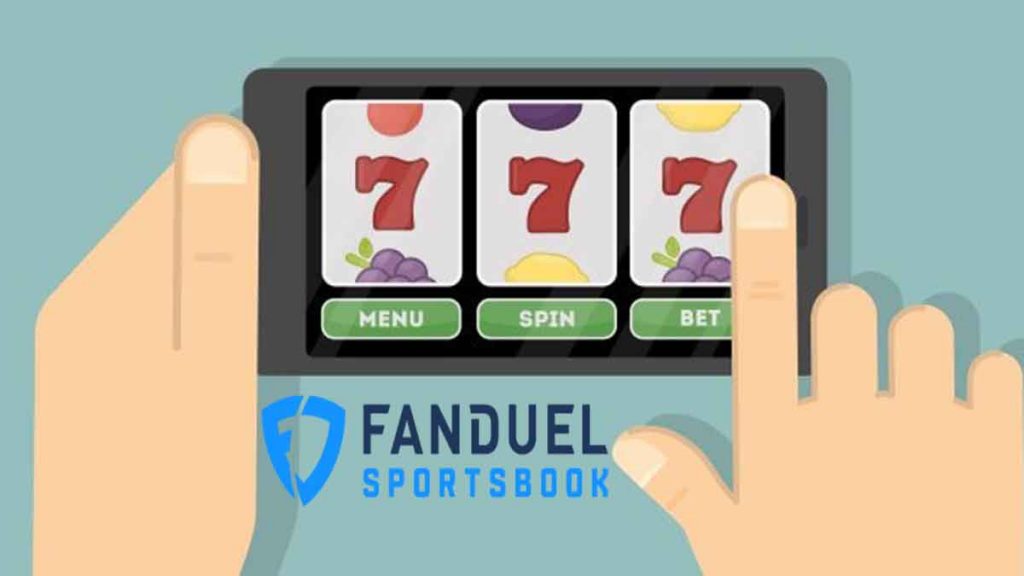
The app’s home screen flickered, not with errors, but with a live feed of a virtual race she’d bet on ten seconds ago. Instant cash-out sliders appeared beside each runner, letting her lock in profit mid-race as the odds shifted. She favorite-geotagged a bookie’s app that auto-suggested micro-bets—like “next goal in 5 mins”—based on her past weekday habits. Biometric swipe-pay logged her into the wagering interface without a password, so she could stake while walking her dog. One tap later, a push alert notified her that a prop bet she’d lost was refunded as a free bet token, redeemable only inside that same app session. It felt less like gambling and more like a Twitch stream where she controlled the payout.
Touch ID, Face Recognition, and Faster Verification
Mobile wagering apps now integrate biometric authentication for gambling through Touch ID and Face Recognition, enabling instant account access without passwords. Faster verification eliminates login friction during live betting, where seconds matter. Instead of typing credentials, a fingerprint scan or facial map confirms identity, reducing session start times. For withdrawals, users authenticate transactions via Touch ID or Face ID, replacing manual forms. The process typically follows this sequence:
- User opens app and selects action (login, deposit, withdrawal).
- Prompt appears for Touch ID or Face Recognition scan.
- Biometric data matches stored template for near-instant verification.
- Transaction or login completes without further input.
Push Notifications and In-Game Real-Time Alerts
Push notifications transform mobile wagering by delivering instant updates on odds shifts, live match events, or cash-out triggers directly to your lock screen, ensuring you never miss a critical betting moment. In-game real-time alerts go further, pinging you during a match when a key player enters the penalty box or a momentum swing occurs, allowing split-second decisions. Hyper-personalized wagering prompts let you set custom thresholds, like a specific scoreline or stat milestone, so alerts only fire when your conditions are met. Q: Can push notifications drain my battery during live betting? A: Yes, but most apps now offer low-frequency modes or vibration-only alerts to preserve power while keeping you updated.
Payment Methods for Bettors Worldwide
Across the globe, a bettor in Tokyo might tap a digital wallet before a player in Berlin reaches for their credit card, each method a silent pact with risk. Modern platforms prioritize e-wallets like Skrill and Neteller for their speed, letting winnings hit accounts in seconds after a lucky goal. Meanwhile, cryptocurrencies like Bitcoin offer a cloak of anonymity for those who prefer their betting ledger unseen by banks. It’s a balancing act between instant cash-outs http://duelbits.win/ and trust in a system that never closes the window. From prepaid vouchers in Brazil to local bank transfers in Nigeria, the choice shapes how quickly a wager feels real—or how fast a loss stings.
Cryptocurrency Adoption and Anonymity Benefits
For online bettors prioritizing discretion, cryptocurrency adoption and anonymity benefits enable wagering without linking transactions to personal banking details. Unlike credit cards or e-wallets that require identity verification for every deposit, cryptocurrency wallets operate on pseudonymous blockchain addresses. This means a bettor can fund an account directly from their personal wallet, bypassing standard financial tracking. Withdrawal processes mirror this privacy, sending winnings to a wallet without a paper trail back to the user’s real name. Furthermore, transaction records show only wallet interactions, not the gambling platform’s name, offering an additional layer of separation between the bettor’s activity and their institutional accounts.
E-Wallet Speed Versus Traditional Bank Transfers
When you’re ready to cash out winnings, e-wallets like PayPal or Skrill usually process withdrawals in under 24 hours, while traditional bank transfers can drag on for 3–5 business days. This speed difference is huge if you want to reinvest or simply enjoy your money sooner. Deposits are also instant with e-wallets, whereas bank transfers might take hours to clear, delaying your play. For frequent bettors, that waiting time on bank transfers can kill the momentum of a hot streak. Here’s the breakdown:
- E-wallets: Withdrawals often processed within minutes to 12 hours.
- Bank transfers: Typically take 1–5 business days to hit your account.
- E-wallets usually avoid weekend delays; bank transfers often stall until Monday.
- E-wallet speed beats bank transfers for both deposits and payouts, making them the practical choice for active gambling.
Affiliate Marketing and Community Impact
Affiliate marketing in online gambling directly shapes community impact by determining which platforms gain visibility and trust. Affiliates who promote casinos or betting sites often embed referral links in content like strategy guides or odds comparisons, steering users toward specific operators. A critical community consequence is the normalization of high-risk behavior; when affiliates frame gambling as a lifestyle enhancement or easy money source, they can deepen local problem gambling rates. Conversely, affiliates who integrate responsible gambling messaging and spend limits into their promotions can reduce harm within their follower base.
An affiliate’s entire community impact hinges on whether they prioritize transparent, ethical marketing or chase commissions through aggressive, misleading calls to action.
Ultimately, the affiliate’s content strategy dictates whether their community becomes more informed or more vulnerable to financial loss and addiction.
How Referral Programs Shape Player Acquisition
Referral programs shape player acquisition by transforming existing users into a powerful, trusted acquisition channel. When a player invites a friend, the endorsement carries inherent credibility that standard ads lack, dramatically lowering the new user’s barrier to entry. An attractive shared bonus—like matched deposits for both parties—creates immediate, dual-sided motivation, ensuring the referrer actively promotes the platform while the referred player feels compelled to claim the reward. This peer-driven loop accelerates sign-ups by capitalizing on personal networks rather than cold traffic. The result is a self-sustaining funnel where each new player becomes a potential conversion catalyst for the next acquisition wave.
- A personal invitation from a trusted source increases initial deposit rates versus anonymous traffic.
- Time-limited shared bonuses create urgency, prompting faster action from both referrer and referee.
- Referral links with direct wallets ensure instant gratification, reinforcing the loop of repeat invitations.
- Mutual reward structures prevent the program from feeling one-sided, keeping both parties engaged from the first visit.
Streamers, Influencers, and Trust Dynamics
Streamers and influencers build trust through perceived authenticity, making their gambling promotions feel like personal recommendations rather than paid ads. This parasocial trust dynamic lowers viewers’ defenses, as they mimic behaviors seen in live, unfiltered environments. The emotional bond with a favorite creator often overrides rational skepticism about gambling risks. When influencers normalize high-stakes wagers or chase losses publicly, followers may adopt similar habits without questioning the curated nature of the content. This trust-based influence directly shapes community behavior, where loyalty to a streamer translates into deposit clicks and platform engagement, often bypassing critical evaluation of the odds or house edge.
Future Directions in Digital Betting Technology
The next era of digital betting technology will feel less like placing a wager and more like stepping into a live broadcast. Immersive live-streaming will let you switch between multiple camera angles on a single match, with overlaid real-time micro-betting markets that update instantly on a single play. Instead of static odds, artificial intelligence will offer personalized prop bets mid-game, adjusting to your past betting patterns. You might watch a poker final table through a 360-degree feed, clicking directly on a player’s chips to bet on their next move. Haptic feedback could simulate the tension of a last-second goal through your device, making the digital moment feel physically present. The technology is shifting from a simple transaction to a sensory, interactive experience where every second offers a new stake.
Virtual Reality Casinos and Immersive Environments
Virtual Reality casinos transport you directly onto a bustling digital floor, where you can walk between slot machines and interact with dealers using natural hand gestures. These immersive gambling environments replicate the social atmosphere of a land-based venue, letting you chat with other players or celebrate a win through shared animations. Your custom avatar handles chips and cards, and spatial audio makes every spin or shuffle feel physically present. This technology eliminates screen fatigue by placing you inside the game, transforming online wagering into a tangible, engaging experience where your surroundings respond to every action.
AI-Driven Personalization and Predictive Odds
AI-driven personalization tailors betting interfaces by analyzing individual user behavior, suggesting specific wagers and risk thresholds based on past patterns. Predictive odds leverage machine learning models that process real-time data—player form, weather, or in-game events—to generate dynamic, hyper-accurate probability estimates that update instantly. This allows bettors to see personalized betting recommendations aligned with their historical preferences, while the predictive engine adjusts odds faster than human traders can, offering a more responsive and customized wagering environment.
AI-driven personalization and predictive odds combine user behavior analysis with real-time data modeling to deliver customized betting suggestions and rapidly updating, accurate probability estimates.